
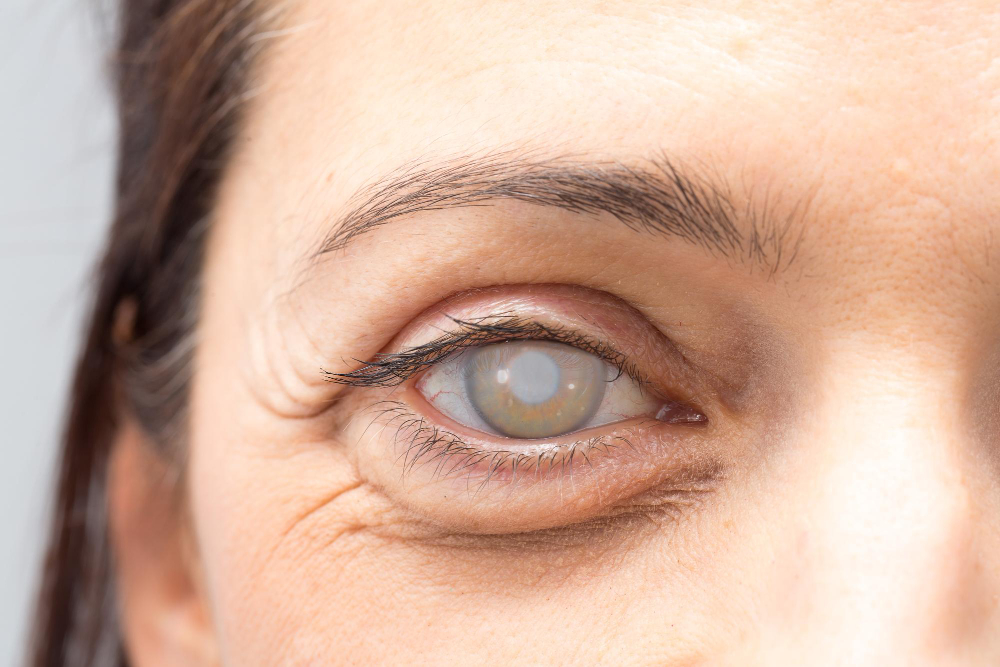
What is a Cataract?
A cataract is a cloudy area that forms in the lens of your eye. This cloudiness can make it hard to see clearly. In fact, cataracts are a leading cause of vision loss, especially in older adults. Although cataracts develop slowly, they can affect daily life over time. According to the World Health Organization (WHO), cataracts are a common eye problem worldwide. Because of this, understanding cataract symptoms and treatment options is important for everyone.
Common Symptoms of Cataract
At first, cataracts may not cause any noticeable symptoms. However, as the cataract grows, you may start to notice changes in your vision. For example, you might see:
Sometimes, you may notice double vision in one eye. If you experience any of these cataract symptoms, it is important to talk to an eye doctor.
Causes and Risk Factors
Cataracts usually develop as people get older. However, several factors can increase your risk. For instance, aging is the most common cause. But, other causes and risk factors include:
Because some risk factors can be controlled, making healthy choices may help lower your risk.
How Cataracts are Diagnosed
Eye doctors use several tests to diagnose cataracts. First, they will ask about your symptoms and medical history. Next, they will perform a simple eye exam. During this exam, the doctor may:
Sometimes, doctors use drops to widen your pupils. This helps them see the lens more clearly. Early diagnosis is important, so regular eye exams are helpful, especially as you age.
Treatment Options for Cataract
At first, you may not need treatment if your cataract is mild. For example, stronger glasses or better lighting can help. However, if cataract symptoms make daily tasks hard, surgery may be needed. Cataract surgery is a safe and common procedure. During surgery, the cloudy lens is removed and replaced with a clear artificial lens. Most people see better soon after surgery. According to the CDC, cataract surgery has a high success rate and can greatly improve quality of life.
Prevention and Lifestyle Tips
While you cannot always prevent cataracts, you can take steps to protect your eyes. For instance, you can:
Because early detection helps, regular check-ups are important. Simple lifestyle changes can also support eye health and may slow cataract growth.
Conclusion
Cataracts are a common cause of vision problems, but they can be treated. If you notice any changes in your vision, do not wait. Consult an eye specialist at Prasad Netralaya for personalized advice about cataract diagnosis and treatment.