
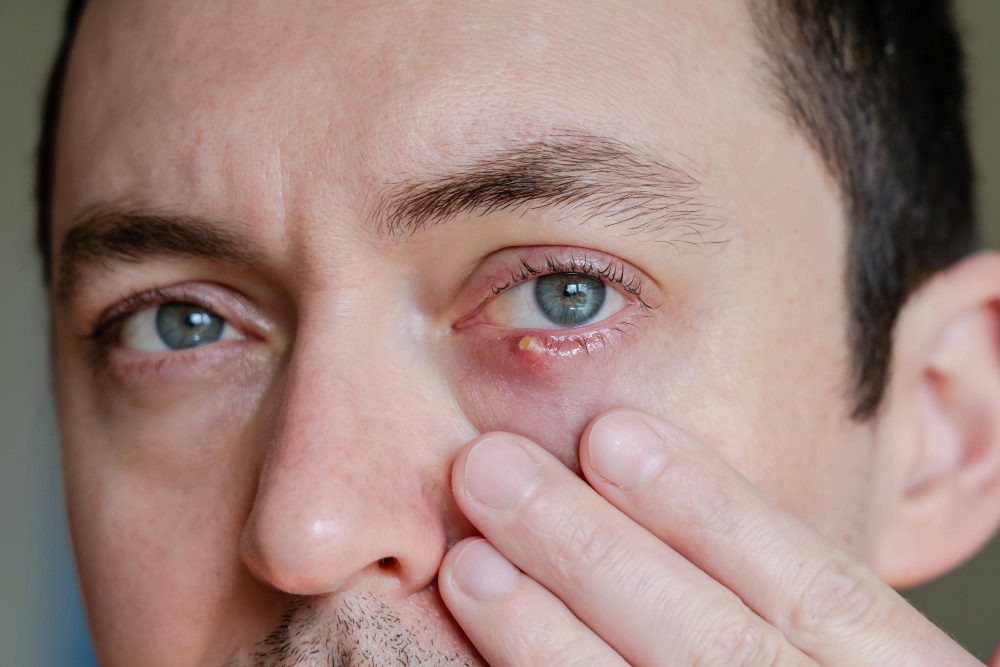
What Is an Eye Stye?
An eye stye is a small, red bump that forms on the edge of your eyelid. It often looks like a pimple. Usually, an eye stye happens when bacteria infect an oil gland or hair follicle near your eyelashes. Because of this, the area can become swollen, painful, and tender. Most styes are not serious, but they can be uncomfortable. Many people search for how to treat an eye stye or want to know about preventing styes.
Common Symptoms of an Eye Stye
Eye styes often appear suddenly. However, you may notice some early signs. Common symptoms include:
Sometimes, the stye may fill with pus and burst on its own. But, if you have more than one stye or your vision changes, you should seek help.
Causes and Risk Factors
Most eye styes are caused by bacteria, usually Staphylococcus. These germs can enter the oil glands or hair follicles on your eyelid. As a result, the area becomes infected. Some factors can increase your risk of getting a stye on your eyelid:
Because these factors can raise your risk, it is important to keep your eyelids clean and avoid sharing personal items.
How Is an Eye Stye Diagnosed?
Usually, a doctor can diagnose an eye stye by looking at your eyelid. No special tests are needed. However, if the stye does not heal or keeps coming back, your doctor may check for other eye problems. In rare cases, they may suggest more tests to rule out other causes of eyelid swelling.
Treatment Options for Eye Stye
Most eye styes heal on their own within a week. Still, some treatments can help speed up recovery and ease discomfort. Common treatment options include:
Sometimes, if the stye is large or painful, your doctor may prescribe antibiotic ointment or, in rare cases, drain the stye. If you need help finding care, you can search for “eye stye treatment near me.”
Home Care and Lifestyle Tips
There are simple steps you can take at home to help your eye heal. For example:
Additionally, avoid rubbing your eyes, as this can spread infection. If you follow these tips, you may heal faster and lower your risk of more styes.
Preventing Eye Styes
While not all styes can be prevented, you can lower your risk by practicing good eye hygiene. Here are some helpful tips for preventing styes:
Because these habits keep your eyes clean, they help prevent future eye infections and styes.
When to See a Doctor
Most eye styes are harmless and go away on their own. However, you should see a doctor if:
In these cases, a doctor can check for other eye problems and suggest the best treatment.
If you suspect an eye stye or have persistent symptoms, consult Prasad Netralaya, Korba for personalized advice.