What is Presbyopia?
Presbyopia is a common eye condition that affects people as they age. It makes it hard to see things up close. Usually, presbyopia starts to appear after age 40. Because of this, many people notice age-related vision changes. The lens in your eye becomes less flexible over time. As a result, it cannot focus on nearby objects as well as before. Although presbyopia is a normal part of aging, it can be managed with the right care.
Symptoms of Presbyopia
Presbyopia symptoms often develop slowly. However, you may notice changes in your vision. Common signs include:
Because these symptoms can affect daily life, it is important to recognize them early. If you notice any of these signs, consider seeing an eye doctor.
Causes and Risk Factors
Presbyopia happens because the lens in your eye becomes stiffer with age. This makes it harder to focus on close objects. While aging is the main cause, other factors can play a role. For example, some people may notice symptoms earlier than others. Risk factors include:
Although you cannot stop aging, knowing these risks can help you prepare for age-related vision changes.
How Presbyopia is Diagnosed
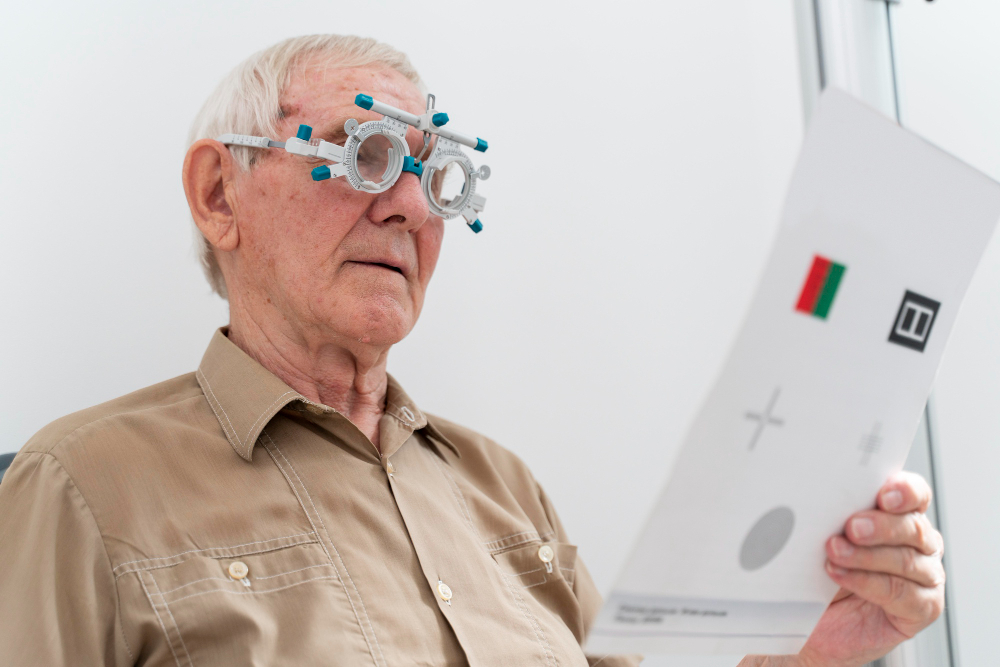
Eye care specialists use simple tests to diagnose presbyopia. First, they will ask about your symptoms. Next, they will check your vision with an eye chart. In addition, they may use special lenses to see how well you focus on close objects. Sometimes, they will examine your eyes for other problems. Because presbyopia is easy to detect, regular eye exams are important. Early diagnosis can help you manage presbyopia better.
Treatment Options for Presbyopia
There are several presbyopia treatment options available. Your eye doctor will help you choose the best one. Common treatments include:
Because each person’s eyes are different, it is important to discuss these options with your doctor. They can help you find the best way to manage presbyopia.
Lifestyle Tips and Prevention
While you cannot prevent presbyopia, you can take steps to protect your eyes. For example, you can:
Because healthy habits support good vision, these tips can help you manage presbyopia and other age-related vision changes.
Frequently Asked Questions
In summary, presbyopia is a normal part of aging, but it does not have to limit your life. Consult Prasad Netralaya, Korba for personalized advice on presbyopia.